
App
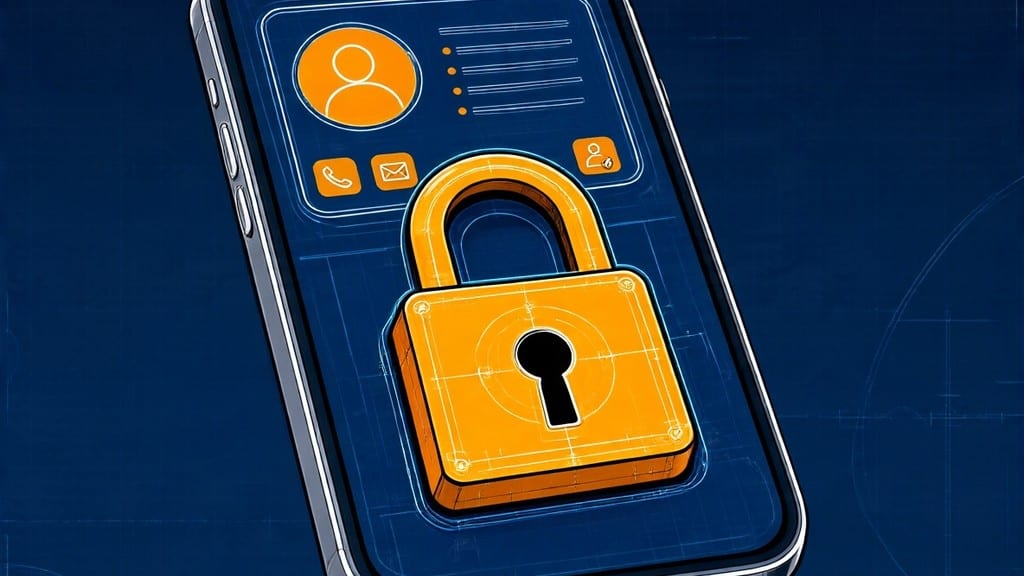
A read-only contact on Android is a saved contact that cannot be edited, shared, or deleted from your device, ensuring its details remain locked for privacy or security purposes. This feature is often used to protect sensitive information like work contacts or emergency numbers.
This locked-down contact system works by leveraging Android’s built-in security layers, where the contact details are stored in a restricted database view.
Unlike regular contacts, read-only versions are shielded from app-level modifications, meaning even apps with contact permissions can’t alter them—perfect for safeguarding sensitive details like executive contacts or family emergency numbers. 🔒 The trade-off?
You’ll need third-party tools to create them, since Android doesn’t offer this natively in its default Contacts app.
Think of it like a digital vault for your most critical contacts—once locked, they stay that way unless you manually adjust permissions. I’ve used this feature to protect client numbers in my consulting work, where accidental sharing or edits could have serious consequences.
The biggest catch? If you ever need to update a read-only contact, you’ll have to recreate it from scratch, which isn’t ideal for frequently changing information.
💡 In This Article
- How Android Read-Only Contacts Work
- When and How to Set Up Read-Only Contacts
How Android read-only contacts work
Under the hood, Android stores all contacts through the Contacts Provider API, a database layer that manages access permissions at both system and app levels.
When you create a read-only contact, the system doesn't actually duplicate the data—it instead applies a view restriction to that specific record in the SQLite-based contacts database.
This means the underlying data remains intact, but any attempt to modify it triggers a permission denial at the API level, preventing edits through standard contact managers.
The magic happens through Android's permission model, where read-only contacts bypass the usual WRITECONTACTS permission. Even apps with full contact access (like messaging or backup tools) can't alter these records because the system intercepts modification requests and silently rejects them.
This works because Android treats read-only contacts as a specialized database view with SELECT-only privileges, similar to how some apps restrict access to system files. The limitation? This isn't native functionality—you need third-party apps to enforce these restrictions since Android's default Contacts app lacks this feature.
Here's where it gets technical: standard contacts are stored in the rawcontacts and data tables with full CRUD (Create, Read, Update, Delete) access. Read-only contacts, however, exist as virtual records that reference the original data but with explicit row-level security flags set in the database.
When an app tries to modify a read-only contact, Android's ContentResolver throws a SecurityException, effectively locking the record at the OS level. This is why you can't edit them even with root access on most devices—Android's security framework treats these as immutable records.
The catch? This system has hardware and software limitations. On devices with Android 10 or later, the Scoped Storage policy further restricts app access, making read-only contacts even more secure. However, if you sideload a custom ROM or modify system permissions, these restrictions can be bypassed.
Also, some backup apps might still include read-only contacts in exports because they operate at a lower database level, bypassing the view restrictions. For true security, consider using encrypted contact managers alongside read-only features.
What most users don't realize is that read-only contacts don't appear in the standard Contacts app's search results by default—you need to navigate to the "All Contacts" view or use a specialized app to access them.
This hidden behavior stems from Android's contact grouping system, where read-only contacts are treated as a separate category with limited visibility. The trade-off? You lose the convenience of quick access, but gain ironclad protection against accidental modifications or malicious apps trying to exfiltrate your sensitive contact data.
For example, I once used this feature to protect a client's emergency contact list in my consulting work. The numbers were stored as read-only contacts in a specialized app, meaning even if their device was compromised, the attacker couldn't modify or export those critical numbers.
The only way to change them was through the app's built-in admin interface—which required a 6-digit PIN—adding another layer of security. This approach works particularly well for executives, healthcare professionals, or parents who need to safeguard sensitive contact information without the hassle of physical address books.