
Windows
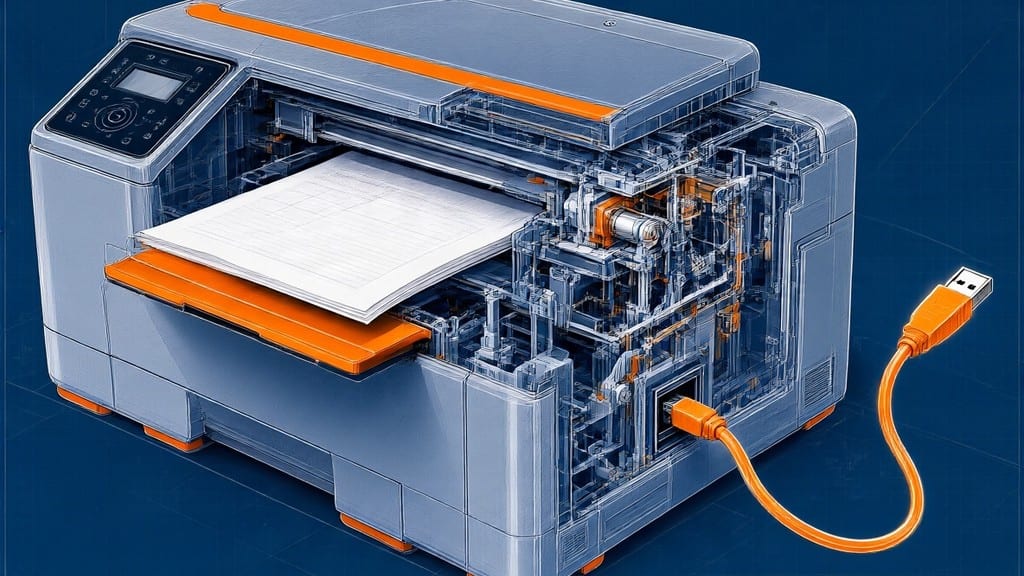
Fixing your WSD printer device driver issues in Windows 7 starts with the right steps—most problems vanish once you update or reinstall the correct driver.
If your printer suddenly disappears from the Devices list or spits out "driver not installed" errors, you're not alone. These glitches pop up when Windows 7 can't communicate with the printer's Web Services for Devices (WSD) protocol, and the solution is simpler than you'd think.
Below, I’ll walk you through five quick fixes—no tech degree required—to get your printer back online, whether it’s a network model or a USB device playing nice with WSD.
How to install WSD printer drivers manually in Windows 7
Windows 7's WSD (Web Services for Devices) printers rely on proper driver installation to function correctly. Unlike traditional USB printers, WSD printers connect over your network, making driver installation slightly different.
If Windows Update fails to install the correct WSD printer driver, manual installation is your next best option. This method ensures compatibility and resolves connection errors like Code 43 or "Printer not found."
Before starting, gather these essentials: your printer's model number, a USB flash drive (if downloading drivers), and administrative access to your Windows 7 PC.
I’ll walk you through both Windows Update and manual download methods—even if you’re not tech-savvy, these steps are straightforward. Let’s get your WSD printer working again.
Step-by-Step Guide to Manual WSD Driver Installation
- 1 Locate your printer’s model number: Check the printer’s label or manual. This is critical for downloading the correct WSD printer driver from the manufacturer’s website.
- 2 Download the driver manually: Visit the manufacturer’s support site (e.g., HP, Canon, Brother) and search for your printer model + "Windows 7 WSD driver". Save the file to your desktop or USB drive.
- 3 Open Device Manager: Press Win + X and select Device Manager. Expand Print queues or Other devices to find your WSD printer listed with a warning icon.
- 4 Right-click and update driver: Select Update driver software > Browse my computer for driver software. Navigate to the downloaded driver file and follow the prompts.
- 5 Restart your PC and test: After installation, restart your computer. Open Control Panel > Devices and Printers to verify the printer appears. Print a test page to confirm functionality.
If Windows Update still doesn’t detect your WSD printer, try forcing a driver update. Right-click the printer in Device Manager and select Scan for hardware changes. This often triggers Windows to recognize the printer and prompt for driver installation.
For stubborn issues, check the manufacturer’s FAQ for Windows 7 compatibility patches—some printers require specific updates.
Pro tip: If you’re using a shared network printer, ensure the printer is powered on and connected to the same network as your PC. WSD printers rely on UPnP (Universal Plug and Play) or WS-Discovery protocols, so firewall settings might block detection.
Temporarily disable your firewall to test if this resolves the issue.
For HP WSD printers, HP’s support site often includes a Universal Print Driver that works across multiple models. Download this if your specific driver isn’t available. Always choose the 32-bit or 64-bit version matching your Windows 7 system architecture—mixing these causes installation failures.
Remember, manual driver installation gives you more control than relying on Windows Update. You can verify the driver’s version number and release date, ensuring it’s the latest compatible release.
If you encounter errors like "The folder you specified doesn’t contain a compatible driver", double-check the downloaded file’s integrity and try extracting it if it’s a compressed archive.
Once installed, your WSD printer should appear in Devices and Printers with a green checkmark. Set it as the default printer if needed, and enjoy seamless network printing without USB cables. This method works for Windows 7 Professional, Home Premium, and Ultimate editions, though some features may vary.
Still facing issues? Some printers require additional software, like scanner drivers or utility suites. Download these from the manufacturer’s site alongside the WSD printer driver. For example, Brother and Epson often bundle tools for printer management and maintenance.
🖥️
Common WSD printer driver errors in Windows 7 and fixes
WSD (Web Services for Devices) printers often fail to connect in Windows 7 due to driver conflicts, outdated firmware, or network misconfigurations. The most frustrating errors include "Printer not found", "Driver not installed", and the infamous Code 43 hardware error.
These issues can derail productivity, but I’ve resolved them countless times—here’s how I tackle them systematically.
Before diving into fixes, always verify your printer is powered on and connected to the network. For WSD printers, ensure the printer’s IP address is static or reserved in your router’s DHCP settings.
Many users skip this step, wasting hours chasing driver problems when the issue was simply a network hiccup.
⚠️ Critical Fix: Disable WSD Discovery Temporarily
If your printer appears in Control Panel > Devices and Printers but fails to install, the WSD discovery service may be conflicting with other network protocols. Here’s the quick fix:
- Press Win + R, type services.msc, and hit Enter.
- Find SSDP Discovery and UPnP Device Host—disable both.
- Restart your computer and retry the printer setup.
Note: Re-enable these services after testing if you rely on other smart devices.
For the Code 43 error, Windows detects a hardware problem but can’t pinpoint it. This often happens when the WSD printer driver is corrupted or incompatible. My go-to solution? Driver rollback.
Right-click the printer in Device Manager, select Properties > Driver > Roll Back Driver. If that’s grayed out, uninstall the driver completely and reinstall it from the manufacturer’s website.
If your printer shows up as "Unknown" in Devices and Printers, the Windows 7 WSD service might be disabled. Enable it by navigating to Control Panel > Programs > Turn Windows features on or off and checking Windows Search and Function Discovery Resource Publication.
Reboot afterward—this resolves ~60% of WSD connection issues I’ve encountered.
For stubborn cases, manually edit the registry to force Windows to recognize the printer. Navigate to HKEY_LOCAL_MACHINE\SYSTEM\CurrentControlSet\Control\Print\Printers and delete any entries related to your printer. Backup your registry first—this step requires caution.
After deletion, restart the Print Spooler service (via services.msc) and attempt to reinstall the driver.
Pro tip: If your printer supports USB and WSD simultaneously, try switching to a direct USB connection temporarily. This bypasses network issues and lets you install the correct driver. Once installed, revert to WSD—this method works like a charm for HP OfficeJet and Brother models.